OpenAg | Local Data | Local Models | Better Outcomes
OpenAg is an open agricultural intelligence framework designed for context-aware, explainable decision support: Open, explainable AI for African livestock systems, built with African universities and producers, trained on African conditions.
Why OpenAg
AI in agriculture is accelerating, but too much of it is trained far from the farms it intends to serve. OpenAg exists to make agricultural AI and datasets open, reusable, and accountable, so farmers, universities, and local innovators can build tools that reflect real world conditions.
Why Now
Climate volatility, disease pressure, and input costs are rising. At the same time, everyday tools like WhatsApp photo flows and basic smartphones make it possible to capture real farm evidence at scale. OpenAg connects those realities to build models that are practical, local, and continuously improvable.
Africa Needs Local Models
How poultry and pigs are raised in Zimbabwe is not the same as in the US or UK. Housing, feed, climate, disease prevalence, and management practices differ, which creates model drift and bias when tools are imported.
What this means:
Models trained only on non-African data can miss local disease patterns
Generic “one size fits all” AI increases bias risk
OpenAg builds localized models tuned to region-specific conditions
A Zimbabwean chicken health model should be trained on Zimbabwean farms.
Watch: OpenAg at Davos
Democratizing Agricultural Intelligence Through A.I.
Leadership from the University of Memphis, OpenAg, and the Institute of Applied Artificial Intelligence and Robotics (IAAIR) presented the case for open, public-good agricultural AI during Davos and World Economic Forum week.
Who Benefits
-
Access to open, curated poultry and pig datasets (with clear documentation)
Research partnerships, publications, and benchmarking across regions
Internship pipelines for data collection, labeling, and model development
Participation in a federated network that scales beyond one lab or one grant
-
Earlier disease detection and faster triage
Tools that scale local extension capacity, so experts spend time fixing problems, not just identifying them
Models trained on local systems and validated with local technicians
-
High impact interventions tied to measurable outcomes (mortality reduction, earlier detection, productivity)
Ethical, transparent AI governance with local stewardship
Capacity building through paid internships and partner institutions
Concrete Focus Areas
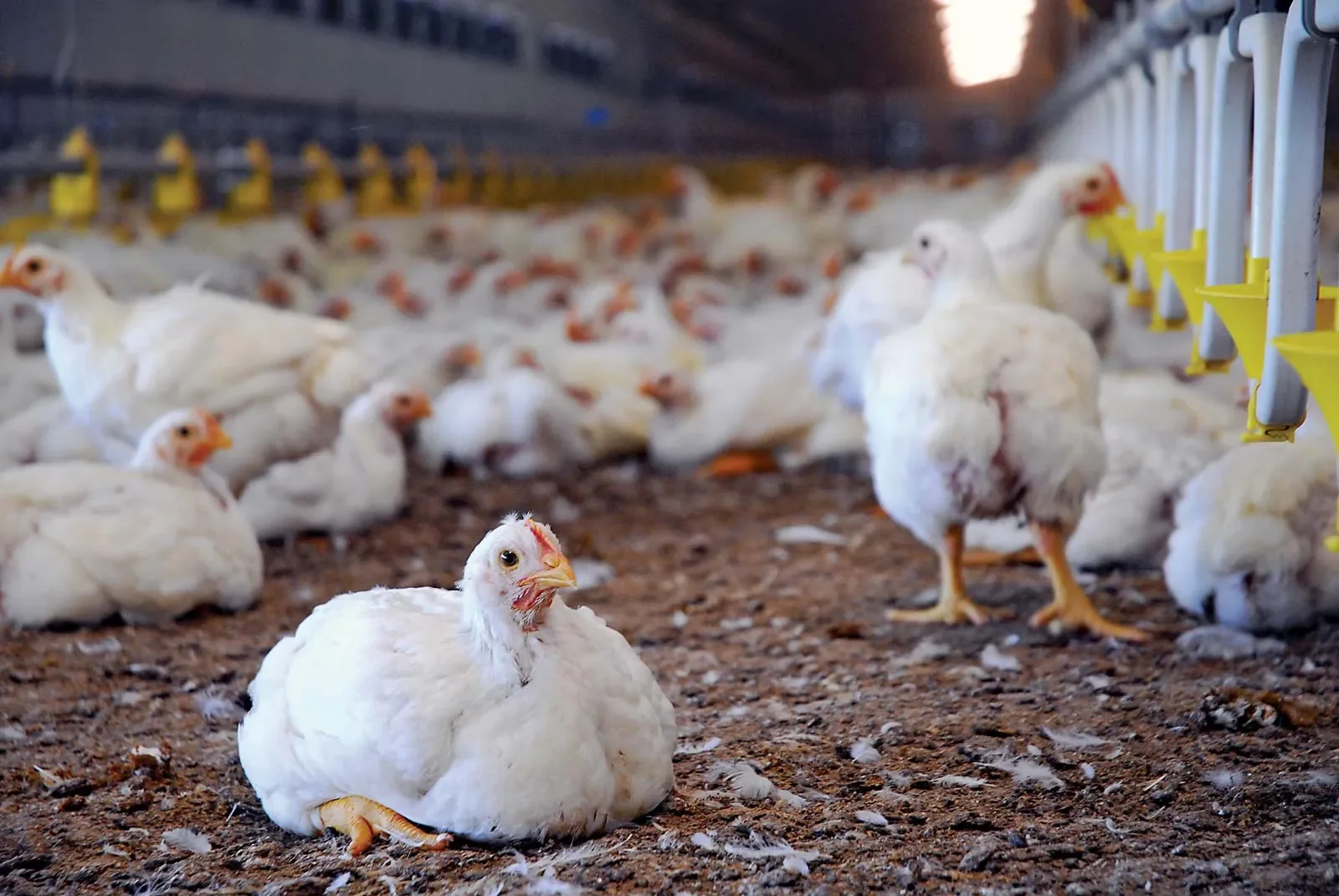
Focus 1: Poultry (Broilers & Layers)
Disease detection from images that farms already capture
Dropping images: build and validate models using low-resolution photos
Post mortem organ images: simple photos to help identify where issues are present (lungs, digestive system, other organs)
Goal: model performance comparable to a local technician for triage, so technicians can focus on interventions
What success looks like:
Faster identification of likely issues
Clear next step guidance with uncertainty shown
Evidence-based recommendations that reflect local constraints
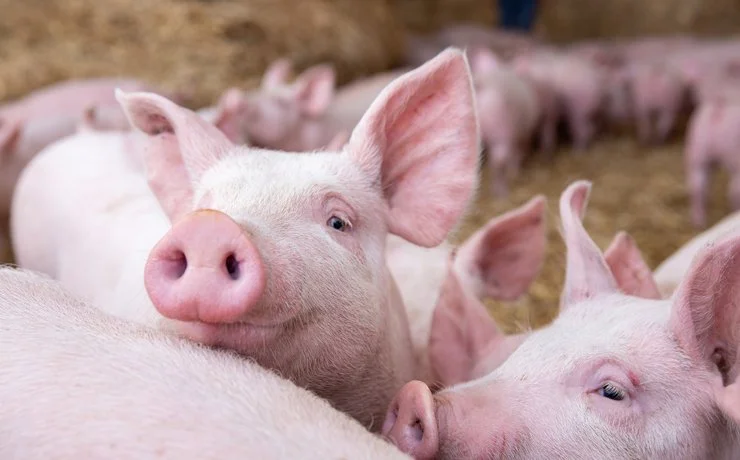
Focus 2: Pigs and Piggeries
A poverty reduction sector that benefits from practical decision support
Build datasets across smallholders, contract farmers, and commercial producers
Capture patterns in growth, feeding, housing, and common syndromes
Goal: localized models that improve profitability and resilience for farmers
White Paper: OpenAg’s Technical Foundation
If you want the full architecture, methods, and research rationale behind OpenAg’s approach, particularly federated agricultural intelligence, knowledge-graph reasoning, multi-agent decision support, and transparency mechanisms, read our white paper on arXiv.
Data and Bias Philosphy
Bias shows up when training data does not match the conditions where a model is used. OpenAg addresses this by making dataset composition transparent, comparing datasets across regions, and training localized models rather than pretending one model fits everywhere. This is how tools become reliable in practice, not just impressive in a demo.
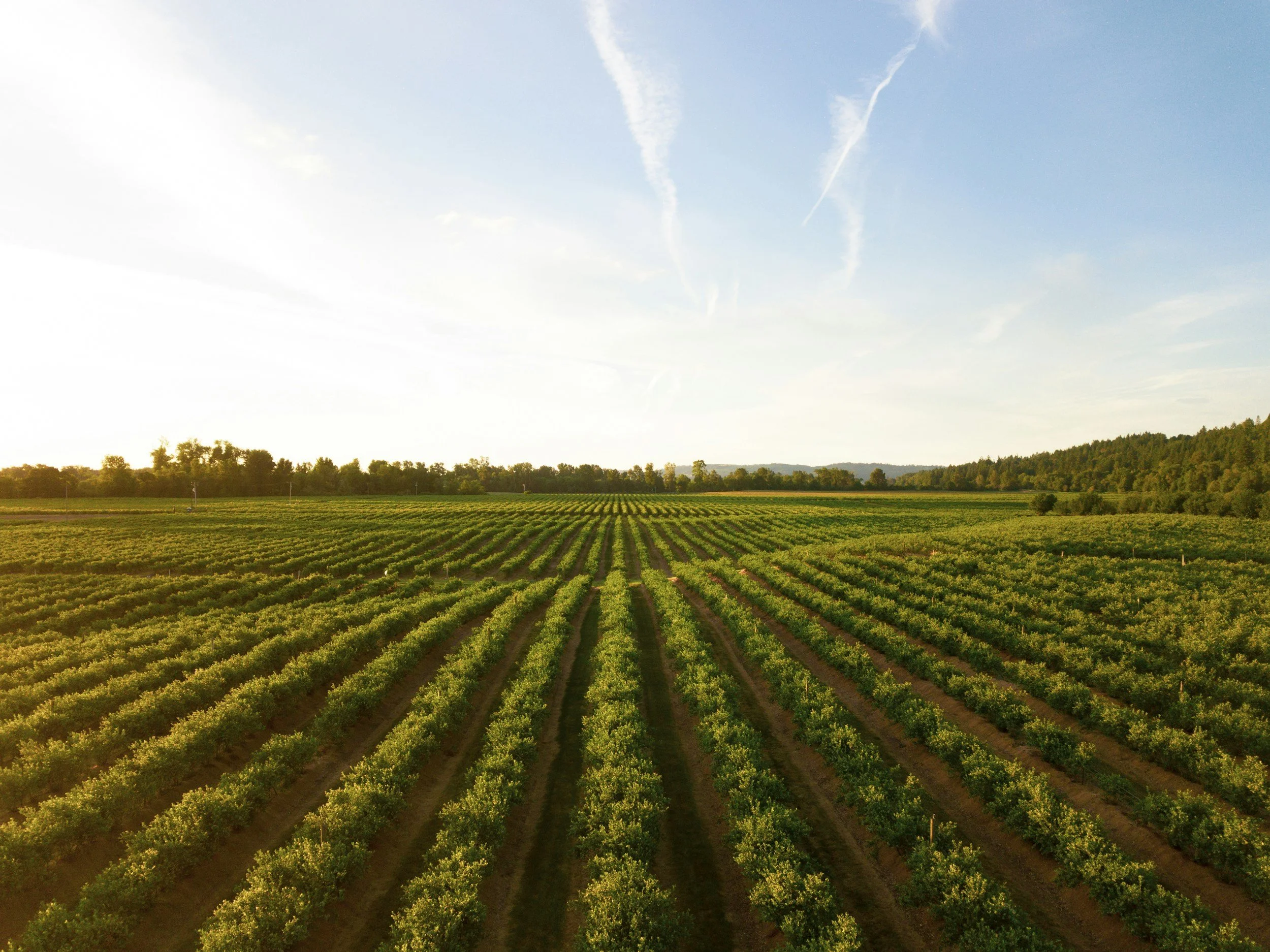
How Data is Collected
OpenAg works with the systems already in place, using workflows that farmers and technicians already rely on.
High-end phones are not required. Consistent photos and good labeling matter more than ultra-high resolution.
-
Farmers, technicians, and producer teams share photos and notes via WhatsApp groups.
-
Interns and subject matter experts curate, tag, and validate records.
-
Diagnoses from technicians and veterinarians provide ground truth labels.
-
Datasets are packaged for open release with clear documentation and governance.
Internship & University Programs
OpenAg is launching an internship-driven data initiative with partners in agriculture and animal science programs. Interns support the practical work that makes models trustworthy: field coordination for image capture, tagging, documentation, quality control, and ethical handling practices, including de-identification where needed.

Partnerships
African-led, globally connected
OpenAg is rooted in African partners and connected to a wider ecosystem for evaluation, bias comparison, and shared learning.
African Partners
Producer groups and contract farmer networks
Universities and research institutes
Veterinarians, technicians, and extension networks
International Collaborators
Universities in the US and UK with livestock and AI research capacity
Producers willing to share comparable datasets for bias evaluation
Funders focused on food systems, resilience, and responsible AI